Insurance Guide
How to File a Water Damage Insurance Claim (and Get Approved)
A step-by-step guide to filing a water damage insurance claim in Utah — what's covered, how to document the loss, and the mistakes that get claims denied.
Updated May 4, 2026 · Water Damage Restoration Salt Lake City
Dealing with water damage right now? Don't wait — mold starts in 24 hours.
Call (435) 485-9530A water damage claim can cover thousands of dollars in restoration — or get denied over a paperwork technicality. The difference usually comes down to how you handle the first 48 hours. Here’s how to do it right.
What homeowners insurance usually covers
Standard policies typically cover water damage that is sudden and accidental:
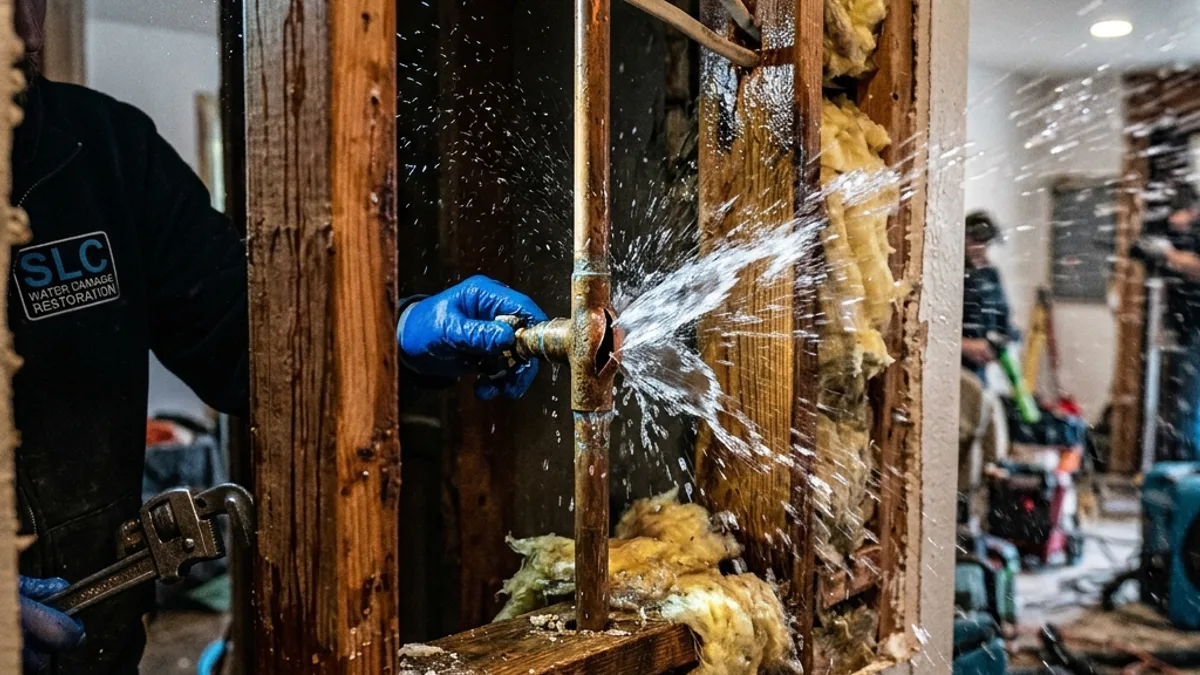
- A burst pipe or failed plumbing line
- An appliance failure (water heater, washing machine, dishwasher)
- A roof leak from a storm
- An overflow you couldn’t reasonably foresee
What’s usually not covered:
- Gradual leaks and long-term seepage (deemed a maintenance issue)
- Flooding from outside — rising groundwater and surface flooding require separate flood insurance
- Neglected repairs you knew about
Because “sudden vs. gradual” is the dividing line, catching problems early matters. Our guide to signs of hidden water damage helps you spot issues before they become uncovered “gradual” claims.
Step 1: Document before you clean
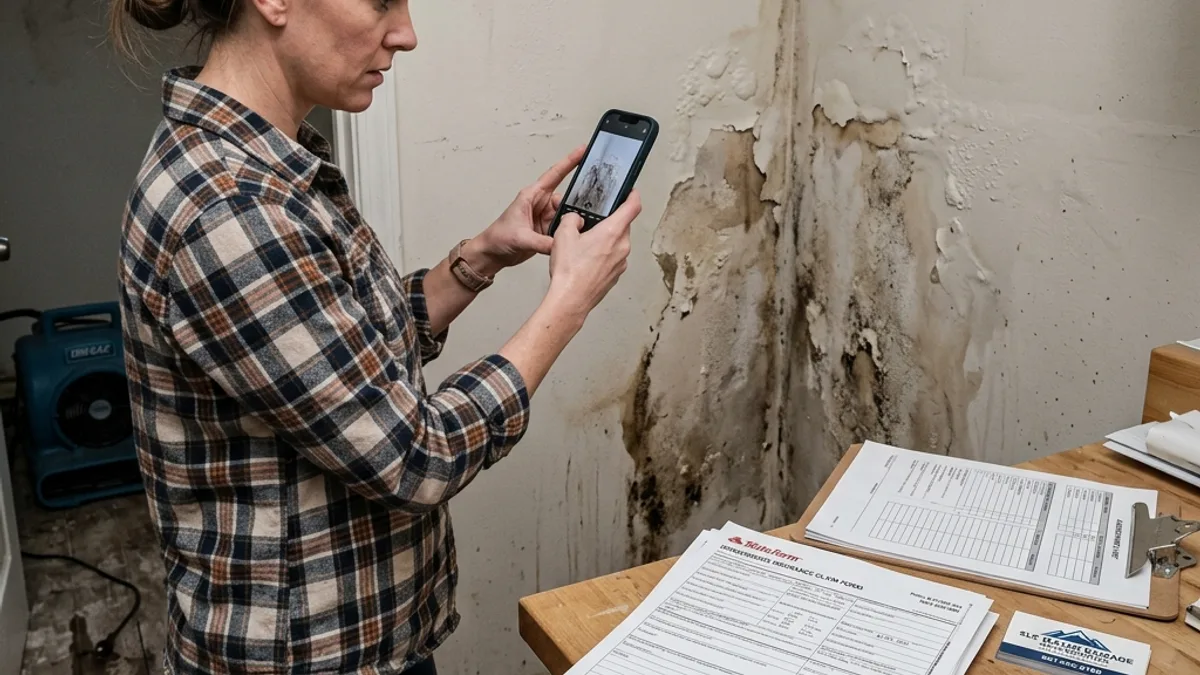
The moment it’s safe, photograph and video everything — standing water, damaged materials, the source, and your belongings. Timestamped evidence is the backbone of an approved claim. This is step three in our overall what to do after water damage checklist for a reason.
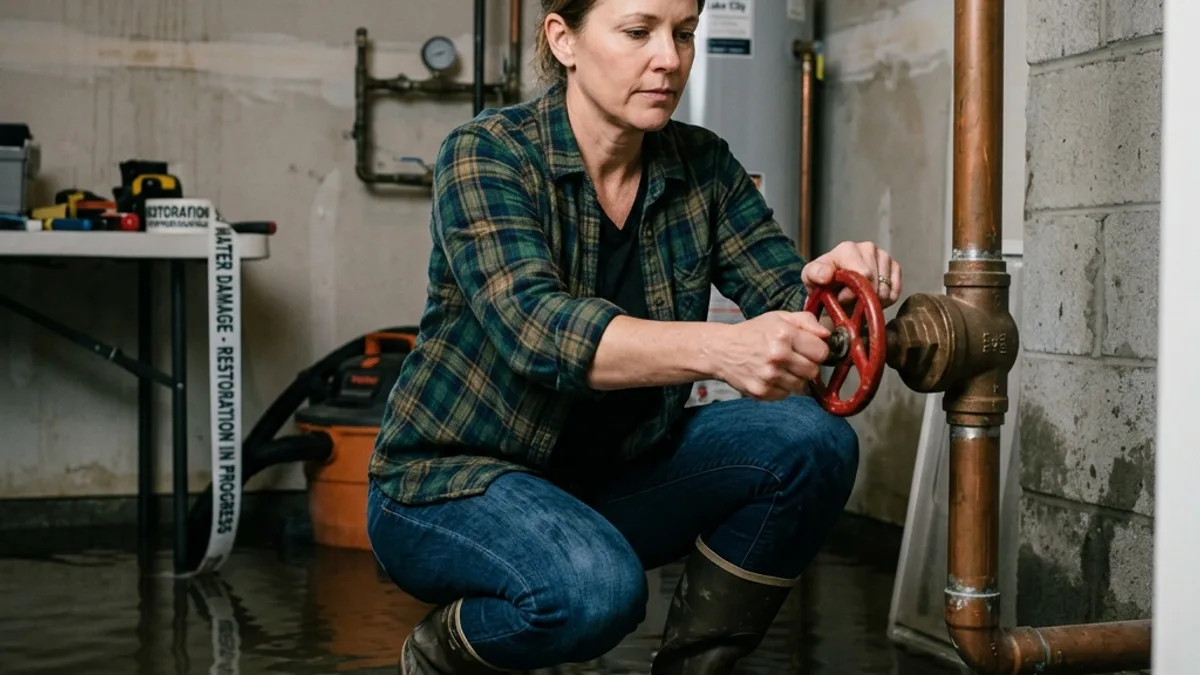
Step 2: Stop the damage from spreading
Insurers expect you to “mitigate” — take reasonable steps to prevent the damage from getting worse. Shutting off the water and calling a restoration company shows you acted responsibly. Failing to mitigate can actually reduce your payout.
We handle insurance paperwork for you
We document the loss to insurer standards and bill most carriers directly. Less stress, fewer denials.
Step 3: Call a licensed restoration company
A professional company produces the documentation adjusters want: a detailed scope of work, moisture readings, photos, and an itemized estimate. This carries far more weight than a homeowner’s own notes. It also speeds approval. Knowing how to choose a restoration company that works with insurers is half the battle.
Step 4: Open your claim
Contact your insurer and provide your documentation. Get your claim number, the adjuster’s name, and ask specifically what’s covered and what your deductible is. Keep a log of every conversation.
Step 5: Meet the adjuster prepared
When the adjuster inspects, have your restoration company’s scope and moisture readings ready. Two professional assessments that agree make approval much smoother. If the adjuster’s estimate seems low, your restoration company can advocate on the technical details.
Mistakes that get claims denied
- Waiting too long to report. Delay looks like neglect.
- Throwing damaged items away before documenting them.
- DIY cleanup that hides the evidence of how bad it was.
- Letting mold grow — insurers may argue you failed to mitigate. See mold after water damage.
- No proof of the source being sudden.
How costs and coverage interact
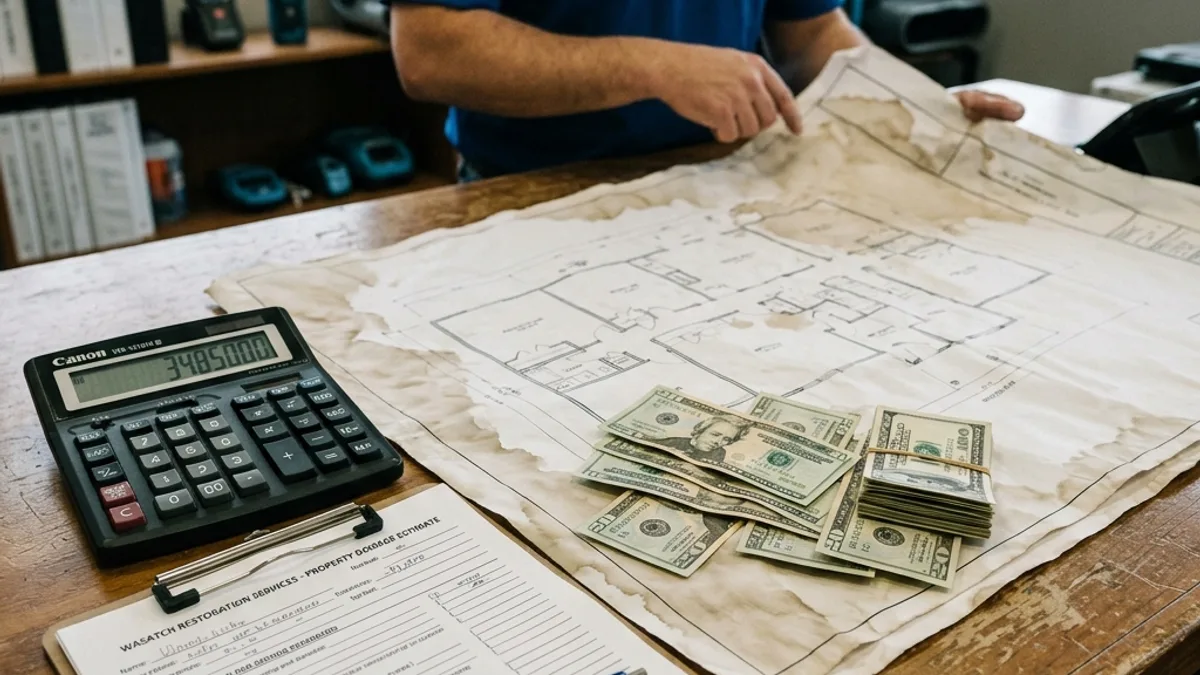
Your out-of-pocket cost is usually your deductible, as long as the covered amount exceeds it. Understanding the likely total — see our Salt Lake City cost guide — helps you decide whether a small loss is even worth claiming against your deductible.
The bottom line
Approved water damage claims come down to speed and documentation. Act fast, photograph everything, mitigate the damage, and bring in a licensed company that speaks the adjuster’s language. We’ve handled hundreds of claims across Salt Lake City and the valley — and we’re happy to deal with your insurer so you don’t have to.
Need Help? Request a Free Assessment
Tell us what happened and a licensed Salt Lake City restoration specialist will get right back to you.